
Second Article — Token Management
Introduction
Hook:
Ever had an AI model cut off mid-sentence, lose track of a conversation, or inflate your bill? tokens are to blame. These tiny text units are the lifeblood of AI efficiency — and mismanaging them is like leaving the faucet running on your budget.
Why This Matters:
Tokens dictate
· Context Size: How much an AI "remembers" at once.
· Memory Handling: Whether past instructions get lost or preserved.
· Cost: Pay-by-token pricing means extra words hit your wallet.
Mastering token management helps you squeeze maximum value from AI models like GPT-4, Claude, or LLaMA.
What Is Token Management?
Simple Definition:
Tokens are the building blocks of text that AI models process (e.g., the word "fantastic" = 3 tokens: "fan," "tas," "tic").
Token management is about optimizing about how these units are used to avoid wasted space, maintain clarity, stay within limits and reduce costs.
Analogy:
Think of tokens like subway tokens: you need enough to ride the train (process your request), but hoarding too many wastes money, and running out leaves you stranded mid-journey(in-complete AI responses).
Key Components
Focus on these three pillars:
- Context Windows: The maximum tokens a model can process in each request (e.g., GPT-4 Turbo: 128k tokens ≈ 300 pages of text).
- Token Optimization: Trimming unnecessary wording while keeping essential meaning.
- Memory Handling: How models retain (or discard) information across multiple interactions.
How It Works
Step 1: Know Your Token Budget
- Use tools like OpenAI's token counters or third-party libraries to measure usage.
# Example with Hugging Face's tokenizer:
from transformers import GPT2Tokenizer
tokenizer = GPT2Tokenizer.from_pretrained("gpt2")
text = "The quick brown fox jumps over the lazy dog."
tokens = tokenizer.encode(text) print(f"Token count: {len(tokens)}")
# Output: 11 tokens
Step 2: Trim the Fat
Bad Prompt(50+ tokens):
"Write a 500-word essay about climate change, including causes, effects, and solutions. Also, mention the Paris Agreement, deforestation, renewable energy, and give examples from at least three countries. Please make it engaging."
Optimized Prompt(~30+ tokens):
"Write a concise essay on climate change: causes (fossil fuels, deforestation), effects (rising temps, ecosystems), solutions (renewables, Paris Agreement). Use Brazil, Germany, India as examples."
Step 3: Chunk Long Contexts
When you have massive inputs (e.g., long documents):
- Split documents into sections or chapters.
- Summarize older parts of a conversation to reduce token load.
- Use embeddings to retrieve only relevant chunks (more on this in Article 8!).
Real-World Applications
- Chatbots: Platforms like Intercom keep conversations concise to avoid token overflow and keep costs down.
- Code Completion: GitHub Copilot truncates irrelevant code snippets to stay within context windows.
- Legal Docs: AI summarizers process 100-page contracts by chunking text and prioritizing key clauses.
Challenges & Best Practices
Pitfalls:
- Token Overflow: Inputs exceeding limits lead to truncated or nonsensical outputs.
- Over-Trimming: Removing too much can alter meaning (e.g., dropping "not" in "Do not allow access").
Pro Tips:
- Prefix Key Instructions: Place critical directives at the prompt's start (models prioritize early tokens).
- Use System Messages: For chatbots, define roles or styles upfront (e.g., "You are a friendly tutor").
- Monitor Costs: Keep an eye on token usage in dashboards like OpenAI's — every 1k tokens adds up!
Tools & Resources
- tiktoken: OpenAI's fast Python library for counting tokens.
- LangChain: Help split large texts into token-manageable chunks.
- AI Tokenizers: Play with tokenization visually at GPT Tokenizer.
Conclusion
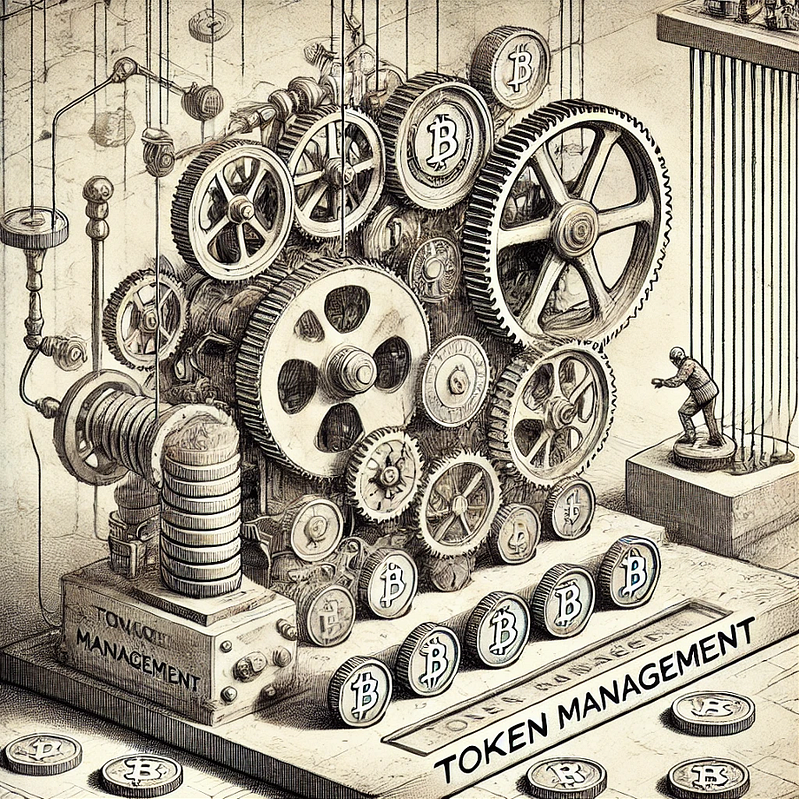
Tokens are the invisible gears driving AI's efficiency. By understanding and optimizing them, you keep models focused, cost-friendly, and capable of handling complex tasks — without dropping off mid-thought.
Next Up:
"Dialing Up Creativity: How Temperature Shapes AI Outputs" (Article 3).
Learn to balance the chaos and control of AI randomness!
Call-to-Action
What's the most tokens you've ever burned on a single AI query? Share your stories below — and let's troubleshoot together!